The machine, software, supplies and workspace you actually need to start a computerized embroidery business, what order to buy them in, and how to get your first clients.

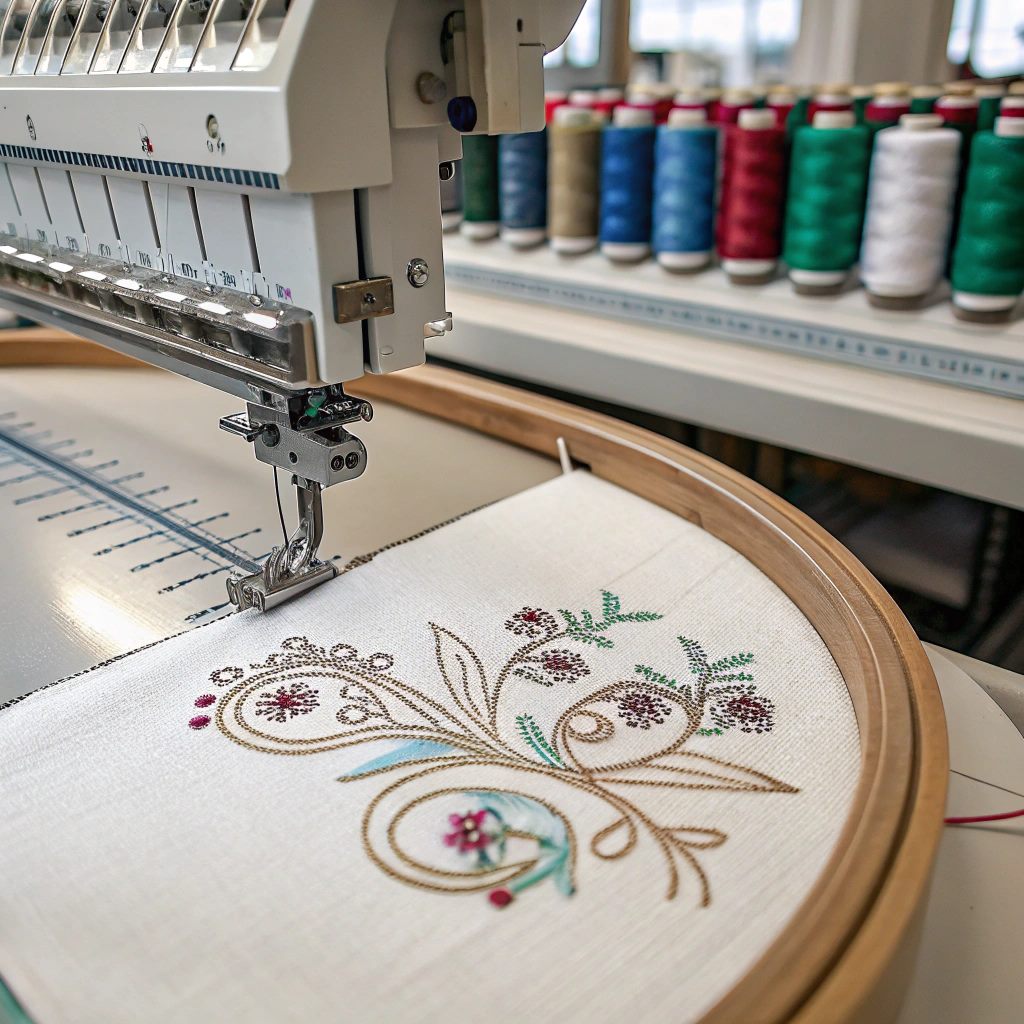
Starting a computerized embroidery business can be exciting and profitable. If you're into fashion, custom apparel, or personalized gifts, embroidery is a creative and scalable way in. But before you start, it helps to understand the tools, software and steps that set you up properly.
Here's what you need to start, from choosing the right machine to setting up your workspace and finding your first clients.
The machine is the heart of your business. When you choose one, look at:
Tip: start with a single-head, multi-needle machine if you're working from home or offering personalized items.
Not sure which machine? Read how to choose the right machine for your business, or our roundup of China embroidery machines if that's the route you're taking.
You'll need digitizing software to turn designs or logos into stitch files your machine understands.
Choose something beginner-friendly, or put in the time to learn through tutorials and courses.
Digitizing software needs a decent computer. Look for:
You'll also need:
Organizing these well saves time and keeps you productive.
You can start with:
Make sure you have proper licensing for any purchased or downloaded designs.
Set up a clean, quiet, well-lit space with:
That last point deserves more weight than it usually gets. A machine that stops halfway through a client's job because the power went is a problem you will have, not one you might have. Size your backup for the machine and test it under load before you need it.
To run things professionally, think about:
Practice is everything in embroidery. Before you offer paid work:
This is where most people go wrong, and it's got nothing to do with which machine they picked.
They spend everything on the machine, it arrives, and then there's no money for the cap frame, the thread range, the stabilizers or the backup power. So the machine sits there earning nothing while they save up again. Sometimes for months.
A better order:
Put another way: buy the ability to deliver before you buy the ability to look professional.
Two things decide whether this business is worth doing: what each job earns you, and how much of that you keep.
The cost side is the machine, thread and stabilizer, power, your time, and digitizing. That last one surprises people. If you're outsourcing every design, you're paying it on every job forever, and it's usually the biggest line nobody tracks. Our guide to what embroidery digitizing costs works through the numbers.
On pricing, don't quote a flat rate for everything. A cap and a chest logo aren't the same job, and neither are ten pieces and a hundred. Price on stitch count, fabric and quantity, and put a minimum order in place early, before you find yourself hooping a single shirt for a stranger at a loss.
Work one job through properly and you'll see where the money actually goes. Take the price you charge, subtract the thread and stabilizer, subtract the digitizing if you outsourced it, subtract the power, then divide what's left by the hours the job took including the hooping and the finishing. That number is your real rate, and it's usually lower than people assume the first time they do the sum. Do it once. It changes how you quote.
"Embroidery" isn't an offer. It's a machine. The businesses that get going quickly are the ones that pick something specific and become known for it.
Corporate branding is steady work and reorders: staff polos, uniform badges, caps. Native wear is higher value and harder, which is exactly why it pays, and it's the work that can't be sent abroad to a cheaper supplier. Personalized gifts and towels sell well seasonally but go quiet in between. Sports and school kit comes in bursts tied to the calendar.
You don't have to pick one forever. But pick one to start with, because your first clients come from being the obvious choice for something, not from being available for anything.
The machine isn't the hard part. This is, and there's a fuller guide in how to get your first embroidery customers.
Start with people who already buy embroidery and are being served badly. Tailors and fashion designers who currently send work out. Schools needing uniform badges. Churches and associations with branded shirts. Small businesses with staff polos. Sports teams. None of them are hard to reach and all of them reorder, which matters more than a one-off ever will.
Then make the work visible. Photograph everything you stitch, on the garment, in decent light. A phone is fine. People buy embroidery with their eyes, and a page of real finished work will win you more jobs than any amount of describing what you do.
Two things worth doing early: keep samples of your best work to hand so you can show rather than explain, and treat every finished job as a reason to ask the client who else they know. Referrals carry this business, especially at the start.
It depends entirely on the machine, but budget beyond it. A useful rule is to hold back enough for supplies, power and the accessories the machine doesn't come with, rather than spending every naira on the machine itself.
You can outsource, and plenty of people do at first. Just know it's a cost on every single job, and it puts your turnaround in someone else's hands. Most people who stay in this business end up learning it.
Yes, and most people do. You need a solid table, decent light, somewhere to keep supplies clean, and neighbours who can live with the noise. An industrial machine is not quiet, and it's better to find that out before it's installed in a bedroom.
Whatever you can stitch repeatedly and sell locally. Caps, polos and uniform badges are the usual starting point because the demand is steady and the designs are small.
Starting a computerized embroidery business doesn't have to be overwhelming. With the right tools, a bit of practice, and a willingness to learn, you can turn your creativity into income. Focus on quality, build good relationships with clients, and keep improving your skills.
Ready to start? Explore beginner tutorials and digitizing courses at The Embroidery Cloud Academy.
The Academy turns articles like this into proper courses, with video lessons, assessments, and people to learn alongside.