
Two to four working days is normal. Here's where that time actually goes, what makes a job faster or slower, and what paying for a rush really buys you.

Two to four working days for a standard job. That's the honest answer, and it surprises people who assumed a logo was an afternoon's work.
It surprises them in both directions, actually. Some expect it back in an hour. Others have been quoted two weeks and want to know if that's normal. Here's where the time really goes.
One thing worth settling first, because it causes half the confusion in this conversation. Digitizing time and stitching time are two different clocks. Digitizing is someone building the file, measured in days. Stitching is your machine running it, measured in minutes per garment. When a client asks how long the job takes, they usually mean both added together plus delivery, and quoting only one of them is how promises get broken.
Very little of it is someone sitting in the software. Roughly, a standard left-chest logo breaks down like this.
Waiting in the queue. Usually the biggest single chunk. Your job sits behind other people's. Nobody advertises this, but it's most of the difference between two days and four.
Preparing the artwork. Minutes if you sent clean vector. Considerably longer if the logo arrived as a photograph of a business card and has to be rebuilt before any stitching decision can be made.
Building the file. The part everyone pictures, and often the shortest. An experienced digitizer working on a familiar kind of job moves quickly.
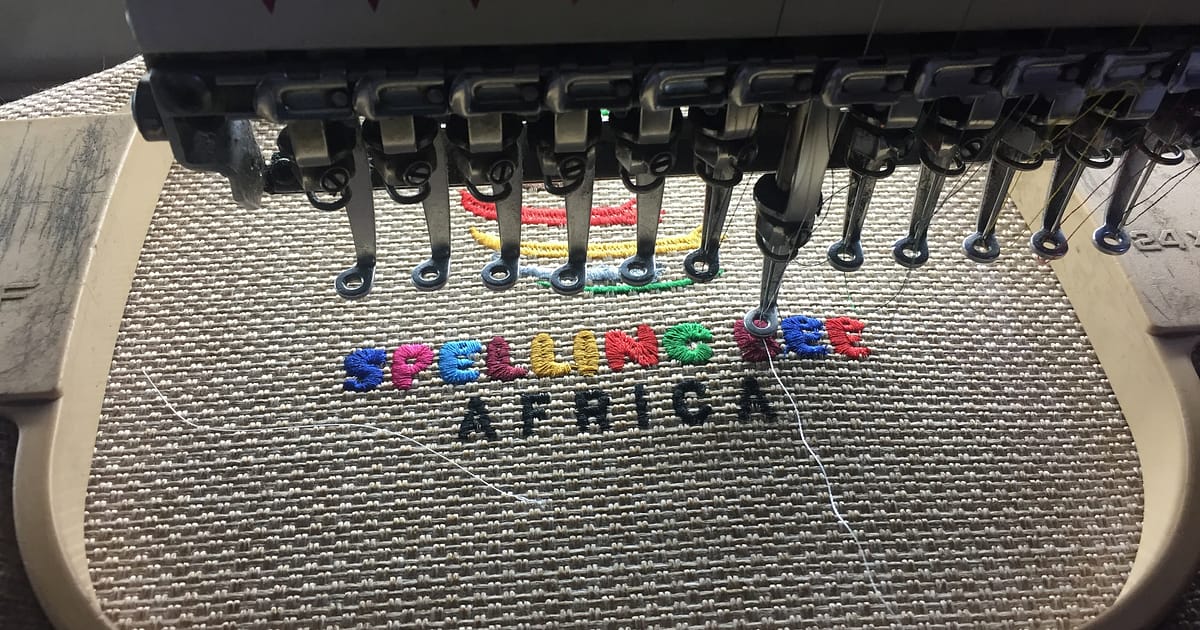
Stitching it out. Hooping fabric, running the design, looking at what came back. This is not optional and it's why same-day promises should worry you.
Fixing and re-testing. Where the remaining time goes. Sometimes none. Sometimes two more rounds.
So when someone asks how long does embroidery digitizing take, the real answer is that the digitizing is quick and the proving is not.
Two to four days is the average across everything. In practice it moves with the work:
If you're quoting a client, price the time as well as the file. A same-week delivery on an agbada motif is a promise about somebody else's queue, and you can't control it.
Most digitizers will do rush work and charge a premium for it, commonly a third to a half on top. What you're paying for is worth understanding, because it isn't speed exactly.
You're paying to jump the queue, which is legitimate and is most of the benefit. And you're paying for the testing to be compressed, usually into a single attempt, which is where the risk sits. A rushed file is more likely to need fixing after it reaches you.
So rush is worth it when the queue is the problem. It's worth less when the design is genuinely difficult, because the part being cut is the part that catches problems.
The exception nobody mentions: if a digitizer offers everything same-day, every time, at normal prices, they aren't testing. That isn't fast, it's a different service.
The practical stuff, which turns a two to four day wait into a non-issue.
Order the digitizing before the garments. Blanks are easy to get and quick to arrive. A file that needs two revisions is the thing that will make you late, so start it first.
Build in a buffer. Quote your client a delivery date that assumes one revision round. If it comes back perfect first time, you look fast.
Send everything in one go. If you have four logos coming, send all four together rather than trickling them in. One queue slot instead of four.
Get the file before you need it. For a client you expect to reorder, have the design digitized early, in the formats you'll want. The second order then ships the same week.
Keep a record of what you sent. Which file, which format, which colors, when. Reordering a year later goes quickly if you can find it, which is a large part of why EMBBA exists.
You will find services promising a finished file in minutes for very little money. That's not a faster version of the same work. It's software tracing the artwork and skipping every decision a person would make, which we go through in hand digitizing vs auto digitizing.
Time has to come out of somewhere. When a job that normally takes days takes seconds, what was removed is the thinking and the testing. Occasionally that's fine. On a client order it usually isn't, and our guide to why embroidery digitizing is expensive works through what you're actually paying for.
The timeline changes completely, in both directions.
The queue disappears, which is the biggest single delay gone. A logo you'd have waited three days for is done this afternoon, and a client changing their mind at 9pm stops being a crisis. That's the real argument for learning, more than the money.
What replaces it is your own testing time, and early on that's slower than a professional's, because you'll need more rounds to get there. It gets quicker faster than most people expect. Our Digitizing Mastery course covers the machine-side judgment that cuts those rounds down, and most students are digitizing the basics inside a week.
And for anything that isn't a client's own logo, the fastest option of all is not making the file. EmbGig designs are machine-ready and download instantly.
Often yes, for a straightforward logo, if you're willing to pay a rush premium and the digitizer has room. What you're giving up is the second test, so keep it for simple work rather than caps or small text.
Usually queue, sometimes a complicated job, occasionally poor communication. Ask for a date rather than an apology, and if two weeks is normal for them, factor it in or find someone else.
Yes, though not in proportion to its size. What drives the time is the number of separate decisions, so a small logo with fine lettering can easily take longer than a large simple shape.
A small fix is usually quick, often same day. What takes the time is that it has to be stitched out again to prove it, so treat a revision as another short cycle rather than an instant change.
For a first job with someone new, part up front is normal and reasonable on both sides. What matters more than the split is agreeing the turnaround in writing at the same time, so the deadline and the money get settled in one conversation rather than two.
Different question, and worth separating. Stitching time depends on stitch count, color changes and machine speed. Good digitizing shortens it, because a well sequenced file wanders less and trims less.
How long does embroidery digitizing take? Two to four working days, and most of that is queue and testing rather than software. Send clean artwork with a complete brief, order the file before the garments, and plan for one revision. Do that and the wait stops being the thing that makes you late.
The Academy turns articles like this into proper courses, with video lessons, assessments, and people to learn alongside.